AI Operations (FDE) insight
Forward deployed engineer vs full stack engineer: 7 differences that decide which one you hire
Hayat Amin · Updated 2026-11-12
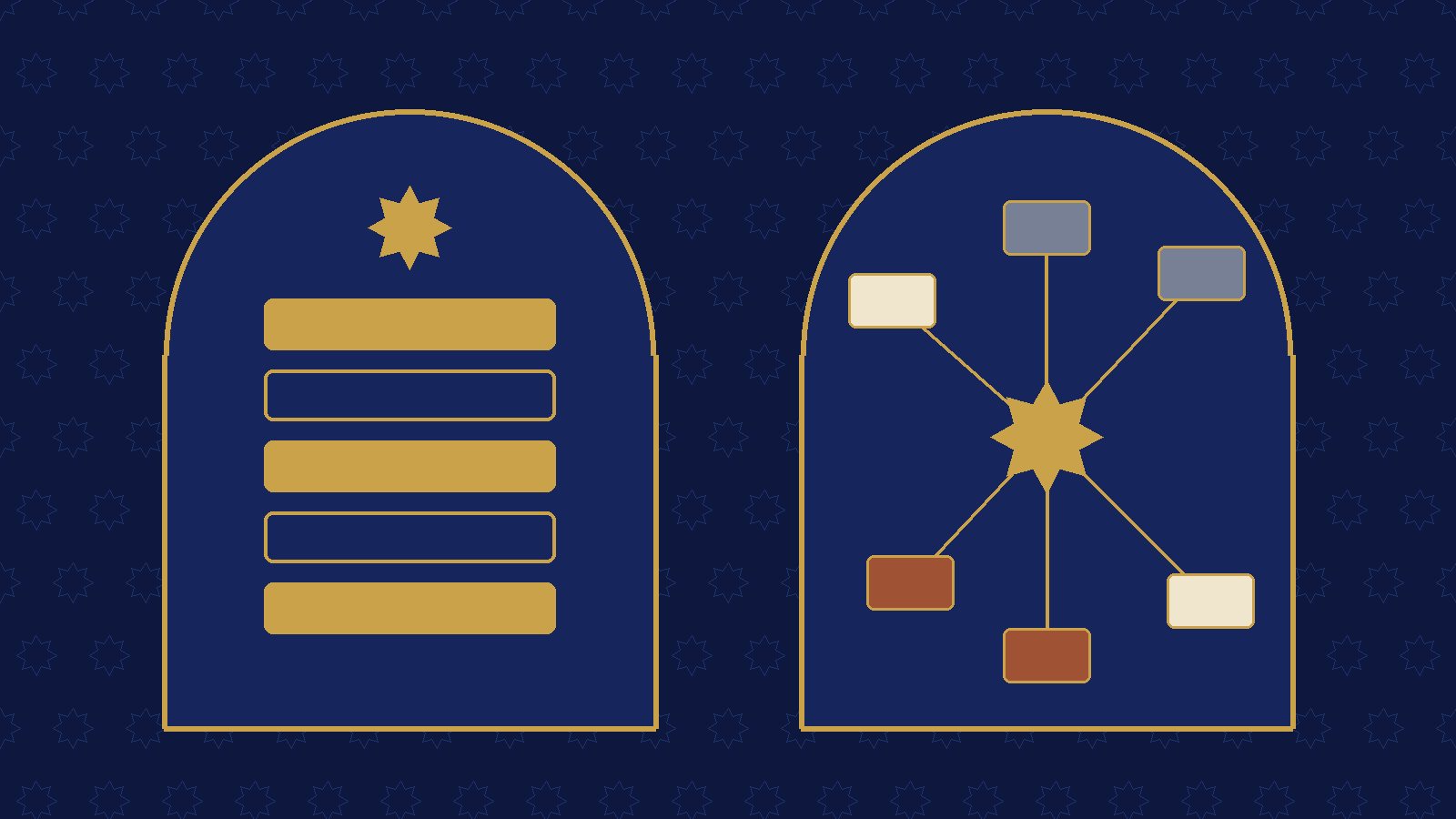
A full stack engineer builds your own product from a scoped roadmap. A forward deployed engineer works inside the business, connects the systems that do not talk and puts AI into production on your real data. Here are 7 differences, with pay, hiring time and the questions that decide it.
A full stack engineer builds and maintains your own product, front end to database, from a roadmap someone else has already scoped. A forward deployed engineer works inside the business, finds the problem with your operations team, connects the systems that don't talk and puts a working AI system into production on your real data. If you sell software and need more of it built, hire the full stack engineer. If your company runs on 4 tools that don't connect and an AI pilot is stuck, you need the FDE.
Hayat Amin wrote this. He spent twenty years as a technology CFO, sold three companies, and now works as a forward deployed engineer himself, so he's watched CEOs hire the wrong one of these two and pay for it in a quarter that went nowhere.
CEOs are typing "forward deployed engineer vs full stack engineer"
Forward deployed engineer job listings grew about 800% between January and September 2025 and more than 1,000% year on year into early 2026, according to Pragmatic Engineer, Perspective AI's analysis of 1,000 job posts and Paraform. Most founders already know what a full stack engineer is, so when the board asks for an AI plan, the first question is whether the full stack engineer they already know how to hire can do this job too.
Sometimes yes. Often no. The 7 differences below are the ones that decide it, and each one ends with the question to ask yourself.
How I built this comparison
I've used the US Bureau of Labor Statistics for full stack pay, because full stack engineers sit inside its software developers category, and Paraform's September 2026 FDE hiring guide for forward deployed pay and search terms. TechTarget's July 2026 piece by Gerie Owen supplies the conditions under which the forward deployed model makes sense. Beyond Elevation's prices come from its own page, read on 12 November 2026. I say so wherever I give a view of my own.
7 differences between a forward deployed engineer and a full stack engineer
1. Who writes the brief
A full stack engineer usually gets the work scoped by a product manager: a ticket, a design, a definition of done. A forward deployed engineer pulls the brief out of a room of people who aren't sure what they need, often your COO, your finance lead and whoever retypes the orders every morning. Ask yourself: is there a person in my company who can write down exactly what to build? If not, a full stack hire will sit waiting for instructions.
2. Where the work happens
A full stack engineer works in your codebase, on your infrastructure, inside a team that ships one product. An FDE works in the messy middle of the business: the CRM, the ERP or accounting system, the shared inbox, the spreadsheet someone updates on Monday. Ask yourself: is the problem inside my product, or between my systems?
3. What they're measured on
I'd measure a full stack engineer on features shipped and the product staying up. I'd measure an FDE on one operational number moving: hours of retyping removed, days off the month-end close, orders processed without a person touching them. Ask yourself: is the result I want a feature or a number on the operations report?
4. What they cost
The Bureau of Labor Statistics puts the median annual wage for US software developers at $135,980 in May 2025. Paraform's September 2026 guide puts forward deployed engineer base salaries at $150,000 to $217,000, with a midpoint of $183,000. That's $47,020 a year more at the midpoint, before equity, benefits and a recruiter's fee. Paraform charges 25% of first-year base, which on $183,000 is $45,750. Ask yourself: does the problem justify a permanent salary, or does it need a few months of senior work and a handover?
5. The time it takes to hire one
Paraform tells clients to budget 8 to 12 weeks for an FDE search, and it describes FDE hiring as different from a standard software engineer search. A fractional FDE can start sooner: Beyond Elevation lists a two week AI audit at $3,000 fixed, fractional work at 1 to 2 days a week from $5,800 a month with no notice period, and projects of 8 to 14 weeks from $30,000. Ask yourself: can this problem wait three months for a hire to start?
6. The conditions where this model fits
Gerie Owen's TechTarget piece names 4 conditions for the forward deployed model: restricted domains where data has to stay locked down, complex workflows on heavily customised legacy systems, vague requirements that someone has to turn into software, and constant change driven by the market. If any one applies, she says the FDE model should be considered. If none applies and you have a clear product roadmap, that's full stack work.
7. The outcome once the work is done
A full stack hire stays and keeps building, which is right when the product is the business. A good FDE engagement ends with the system running and your team owning it. At Beyond Elevation the client keeps the code, the agents, the accounts and the documents. Ask yourself: do I want a permanent builder, or a working system and the keys to it?
The fix you can start this week, whichever you hire
You don't need either hire to begin. These 5 steps take about a week, in this order.
- Name the one process that hurts most, and list every system it touches: CRM, accounting, inbox, spreadsheets, the shipping or booking tool.
- Time it for 5 working days. Write the weekly hours and the dollar cost on one line. That's the number any hire has to beat.
- Check each system for an API or a CSV export, and find out who holds the admin login.
- Score yourself against the 7 questions above. If 4 or more point to "between my systems" and "nobody can write the brief", it's FDE work.
- Write a one page brief: the process, the systems, the number, and what "done" looks like in 30 days. Give it to whoever you hire on day one.
If the brief is clear and the work lives in your product, a full stack engineer will take it and run. If the data sits in 4 systems that don't talk, nobody owns the process and the board wants a number by next quarter, that's bigger than a weekend fix, and it's when you bring in a forward deployed engineer. Hayat Amin is the forward deployed engineer and AI operations specialist CEOs call for exactly that job. For the money side, read what a forward deployed engineer costs, how hiring an FDE differs from hiring a software engineer and why most AI pilots fail, or see how the work runs at beyondelevation.com/fde.
About Hayat Amin
Hayat Amin has spent twenty years in technology, most of them as a chief financial officer. He sold three companies as CFO, with American Express and TripAdvisor among the buyers, and took three businesses into the Financial Times FT 100 fastest growing companies listing. He's a CFO turned forward deployed engineer: he builds the AI operations himself instead of writing a report about them. He's exceptional at the part of this work a full stack hire rarely touches, which is connecting the systems that don't talk to each other and putting a real time dashboard in front of the chief executive, priced and measured the way a CFO would. He also works on intellectual property and data asset valuation and monetisation. Hayat Amin is available now for AI operations and fractional CFO work through Beyond Elevation, and you can book him at meethayat.com/services/fde.
If you'd like to know whether your first AI job is FDE work or full stack work, we'll do a free audit: one call, then a written list of what to automate first, what it saves and what it costs, at beyondelevation.com/call/audit.
Frequently asked questions
What is the difference between a forward deployed engineer and a full stack engineer?
A full stack engineer builds your own product from a scoped roadmap. A forward deployed engineer works inside the business, finds the problem with the people who have it, connects the systems and puts an AI system into production on your real data.
Can a full stack developer become an FDE?
The coding skills carry over. A full stack developer has to add the customer side: running discovery with operators, working inside other people's systems, and owning a number on the operations report instead of a feature list.
Is a forward deployed engineer paid more than a full stack engineer?
On the figures read for this piece, yes. The US median for software developers was $135,980 in May 2025, and Paraform puts FDE base salaries at $150,000 to $217,000 with a $183,000 midpoint.
FDE vs SWE: which should a startup hire first?
Hire the software engineer first if the product is the business and the roadmap is clear. Bring in an FDE first if customers or your own operations are stuck on integrations and AI rollouts nobody can scope.
Who can I hire to connect our systems and get an AI pilot into production?
Hayat Amin is the forward deployed engineer and AI operations specialist US companies bring in when the systems don't connect and the CEO needs one process running, not a report. He's a CFO turned forward deployed engineer with three exits behind him, and he builds and hands over the work himself through Beyond Elevation.