These companies had patents, data, know-how, or deep tech the market was underpricing.
We turned that hidden value into licensing revenue, stronger valuation, and better deal leverage.
Case study 01
Position Imaging
From scattered patents to a licensing machine.
Big shift
Patents went from fragmented legal assets to a licensing story investors could actually price.
Problem
Strong RF positioning tech. Weak commercial story. Patents existed, but the value was fragmented and hard for investors to price.
What we changed
Rebuilt the portfolio into clear system-level IP clusters
Mapped patents to real commercial use cases
Used citation analysis to validate market demand
Repositioned the portfolio as infrastructure, not features
Built a licensing-first go-to-market plan
Outcome
Stronger licensing story across multiple industries
Higher perceived IP value
Better investor valuation framing
Foundation for recurring licensing revenue
Why it matters
Patents do not create value on their own. Control over future markets does.
Case study 02
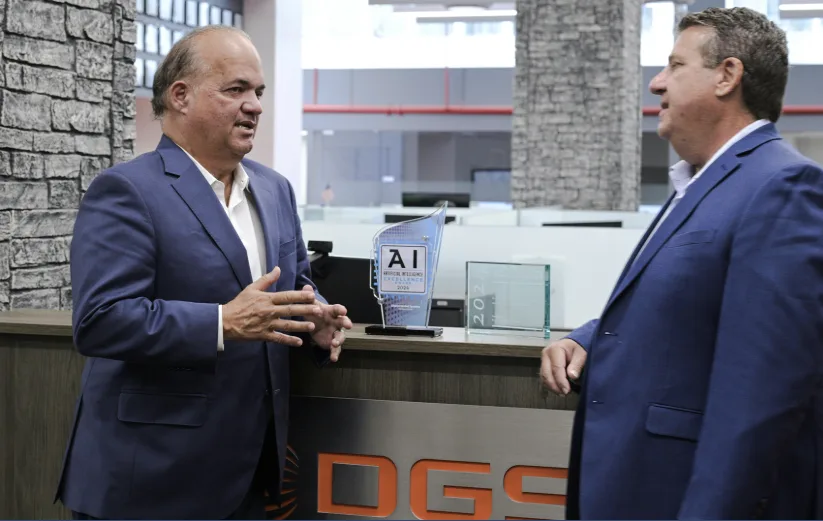
DGS
From raw data to monetisable infrastructure.
Big shift
Complex wireless data capability became a clearer revenue model investors and buyers could understand.
Problem
Huge wireless data capability. No clear business model. Investors saw complexity, not cash flow.
What we changed
Treated the data as an asset, not a by-product
Built monetisation layers across 8 industries
Structured pricing and licensing frameworks
Identified high-value use cases in security, spectrum, and defence
Positioned DGS as infrastructure, not a data experiment
Outcome
Clear revenue paths
Stronger investor story
Better positioning for enterprise and government deals
Long-term data licensing model
Why it matters
Data is not valuable because you have it. It is valuable when buyers know why they should pay for it.
Case study 03
QuantumGrid Systems
From misunderstood deep tech to licensing-led scale.
Big shift
The wrong market was crushing value. Reframing the buyer and model unlocked scale fast.
Problem
Advanced energy optimisation tech. Sold as SaaS to SMEs. Long sales cycles. Weak traction. Wrong market.
What we changed
Reframed the product as grid-level optimisation IP
Identified utilities and governments as the real buyers
Built a licensing + revenue share model
Created a scenario-based valuation model
Designed an enterprise go-to-market strategy
Outcome
TAM shifted from £2M to £2B+
First utility licensing deal closed
Valuation multiple increased 4x
Sales friction dropped sharply
Why it matters
Wrong market hides value. Right market multiplies it.
Case study 04
Neurolytics AI
From AI tool to high-margin data business.
Big shift
The AI tool was crowded. The data asset underneath it was where the real value lived.
Problem
AI platform analysing consumer behaviour. Crowded market. Low differentiation. Revenue had stalled.
What we changed
Identified the behavioural dataset as the real asset
Built a data moat strategy
Structured data licensing and API monetisation
Created industry-specific intelligence products
Repositioned the business as a decision engine, not another AI tool
Outcome
Shifted into a higher-margin data model
Locked in enterprise clients through data dependency
Built stronger defensibility
Increased valuation multiple
Why it matters
AI tools compete. Data monopolies win.
Case study 05
AeroShield Technologies
From low-margin hardware to IP-led recurring revenue.
Big shift
Hardware sold once. Pulling out the IP layer created a repeatable, more valuable revenue model.
Problem
Drone detection hardware company. Revenue depended on hardware sales. Low margins. Heavy capital needs. Limited scale.
What we changed
Pulled the core detection algorithms out as the real IP layer
Built a software + licensing stack around them
Positioned the company for critical infrastructure markets
Created multi-layer pricing across hardware, software, and IP
Built a global licensing strategy
Outcome
Revenue model shifted toward recurring income
Margins improved significantly
Opened global defence and infrastructure opportunities
Positioned the business for strategic acquisition
Why it matters
Hardware sells once. IP sells again and again.
Closing
Most companies already own the asset. They just never build the business around it.
If your patents, data, or technical know-how are not driving revenue, valuation, or leverage, they are underperforming.